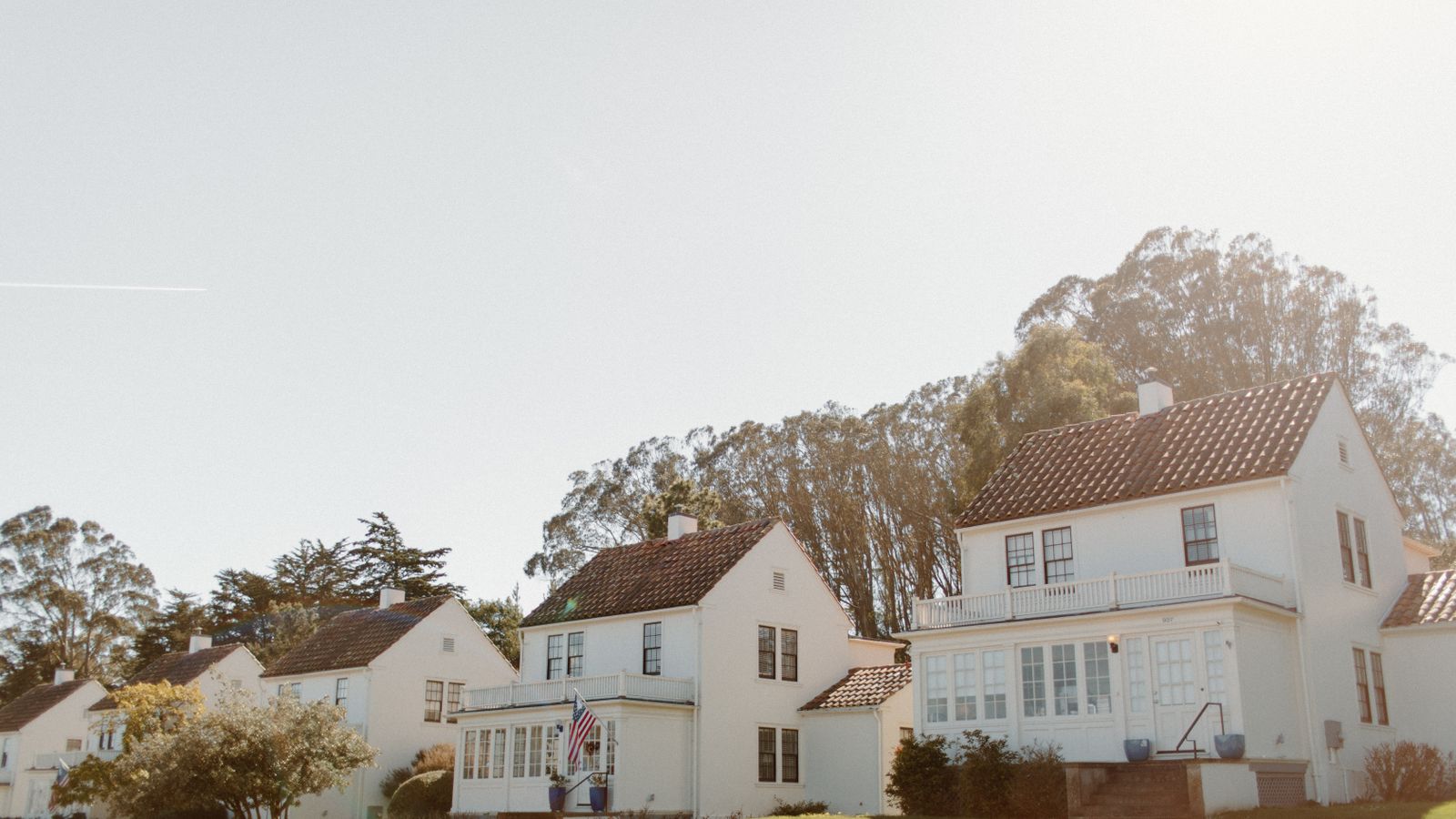
A buyer searching "3 bedroom homes in [neighborhood]" isn't shopping for a brokerage. They're shopping for that neighborhood, on whatever timeline already has them looking, and the ad that wins is the one aimed at the same place they're searching, not the one repeating your company name back at them.
Match your targeting and your landing page to the place and the listing, not the brand. Lock your geography to the exact area you actually sell in, build the page a click lands on around the specific property or development instead of a general "contact us" form, and keep following the inquiry through the weeks it takes to become a signed deal. A lead that goes cold in your CRM looks identical, to an ad platform, to one that closed.
The demand is about the place, not you
Almost nobody searches for a real estate business by name until they already trust it. Before that, they search for a neighborhood, a school district, a price range, or a specific address they saw on a sign. The ad has to speak to that place first. A generic "look at our listings" ad competes on brand, which a new or smaller business will nearly always lose to whoever's spent the most for the longest. An ad built around "homes near [neighborhood]" or "new construction in [development]" competes on relevance instead, and any local business can win that one.
Geography has to be exact, not roughly right
This is where most real estate accounts leak budget without noticing. Standard location settings on Google and Meta default to targeting people who've merely shown interest in an area, not people physically located there, which quietly spends money on someone browsing your market from three states away. For property advertising, tight geographic targeting matters more than in almost any other industry, because the buyer's ability to act on the ad depends entirely on whether they can actually get to the property. Locking targeting to the radius you genuinely serve, and checking the geographic performance report to see where impressions actually landed, catches the waste a "looks fine" campaign never surfaces on its own.
One listing, one page, not a "contact us" funnel
A homepage tries to represent every property a brokerage has ever listed. Someone who clicked an ad for a specific three-bedroom on Maple Street doesn't want that. They want to see that house, and a form that asks about that house, not a generic inquiry box buried under a scrolling gallery of unrelated listings. A landing page built around one property or one development, with photos of that property and a form that continues the exact conversation the ad started, converts a much larger share of the same clicks than sending everyone to a general site.
The same logic holds at the neighborhood level even without a single listing to sell. A page built around "homes in [neighborhood]" that shows current inventory in that specific area still beats a citywide search page, because it keeps the promise the ad made instead of asking the visitor to re-search once they land.
Leads take weeks and arrive by phone, so plan the tracking for that
Real estate inquiries rarely convert on the first visit. Someone requests a showing, thinks it over, tours two more properties elsewhere, and calls back three weeks later, often by phone rather than through the form that originally logged the click. If your reporting only counts what happens in that first session, a campaign that's actually producing serious buyers can look like it's doing nothing, weeks before the calls start coming in. That gap between the click and the eventual close is exactly what tracking and analytics infrastructure has to account for: connecting a call that comes in a month later back to the ad that started it, instead of treating it as an unrelated event. It's the same failure mode we've walked through in an audit of an account that was counting the wrong people entirely — a number that looks healthy on day one isn't the same thing as a number that's measuring what actually matters.
Where to start
If you're advertising a real estate or property business locally:
- Lock your targeting to the exact area you serve, and check the geographic report regularly instead of trusting the default settings to get this right on their own.
- Build ads and pages around the specific listing or neighborhood, not the brand name, until buyers already know who you are.
- Give every property or development its own landing page instead of routing traffic to a general "contact us" form.
- Make sure a call or inquiry that comes in weeks later can still be traced back to the ad that started it.
None of that requires a bigger budget. It requires the targeting, the page, and the tracking all pointing at the same place the buyer is already looking.