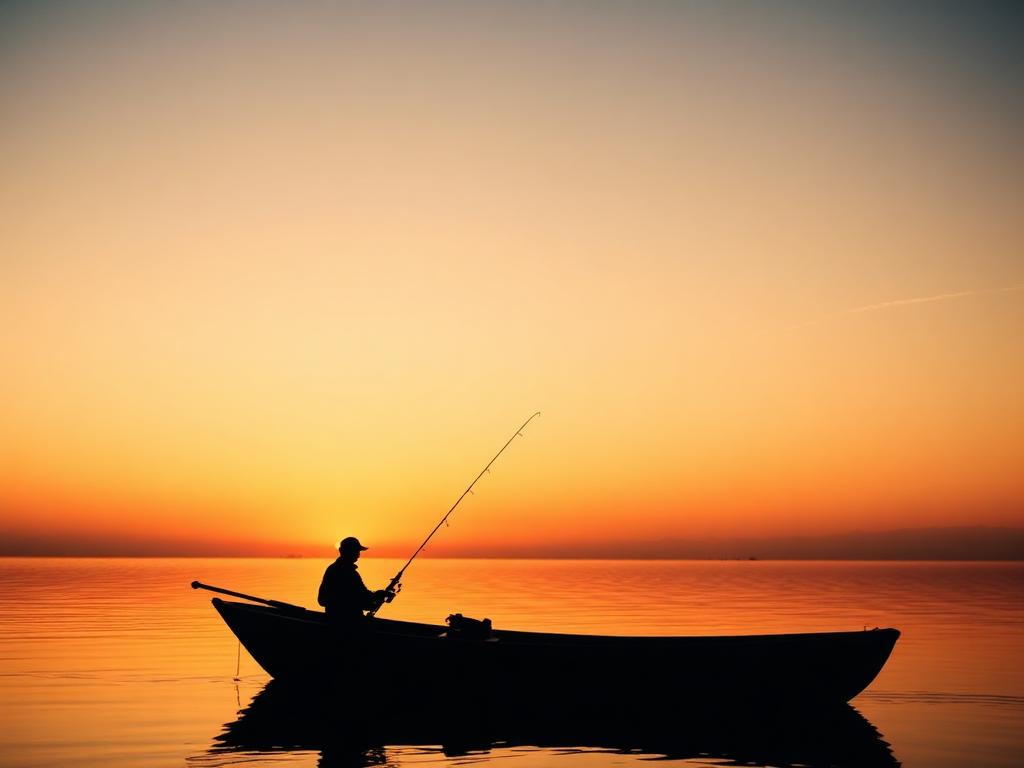
Outdoor & Tourism Marketing
Charters, tours, and outdoor operators — a season, a booking calendar, and imagery that lets someone picture themselves there.
What marketing actually looks like for a business like yours
You're selling an experience someone has to imagine before they'll pay for it. That makes photography and video the persuasion, not the decoration — people book when they can see themselves on the boat, on the trail, at the table.
You're also selling against a calendar. Demand arrives in a season, availability changes daily, and an ad that's brilliant in March is wasted in November. Timing is a strategy decision here, not a scheduling detail.
And the finish line is a booking, usually made on a phone, often days after the ad that started it. If your site makes that step awkward — or if you can't trace the booking back to what prompted it — the advertising can be doing its job while looking like it isn't.
Interest is easy in this business. The booking step is where it's won or lost.
What usually goes wrong
Great ads, a website that can't close
Traffic arrives from cheap, high-intent local searches and lands on a dated site that gives it nowhere obvious to book.
One page for every offering
Every trip, tour, or package points at the same general page, so nothing on screen matches what the visitor just clicked.
Budget that ignores the season
Spend runs flat through the year instead of concentrating where the demand and the availability actually are.
Bookings that can't be traced
The reservation happens inside a third-party booking tool, and nobody wired it back to the campaign that produced it.
How we approach it
The same discipline we apply everywhere, translated for this kind of business.
Conversion-first site work
Pages built around the booking system you already use, with a dedicated page per offering so the ad and the destination match.
Intent-led local search
Search campaigns aimed at the specific trips and areas people look for, with negative keyword work keeping the browsing traffic out.
Video-led social
Platform-native creative on Meta and TikTok tested with clear hypotheses — hooks, formats, offers — rather than one clip run until it dies.
Analytics connected from launch
Booking events, heatmaps, and reporting wired in from day one so seasonal decisions are made on evidence.
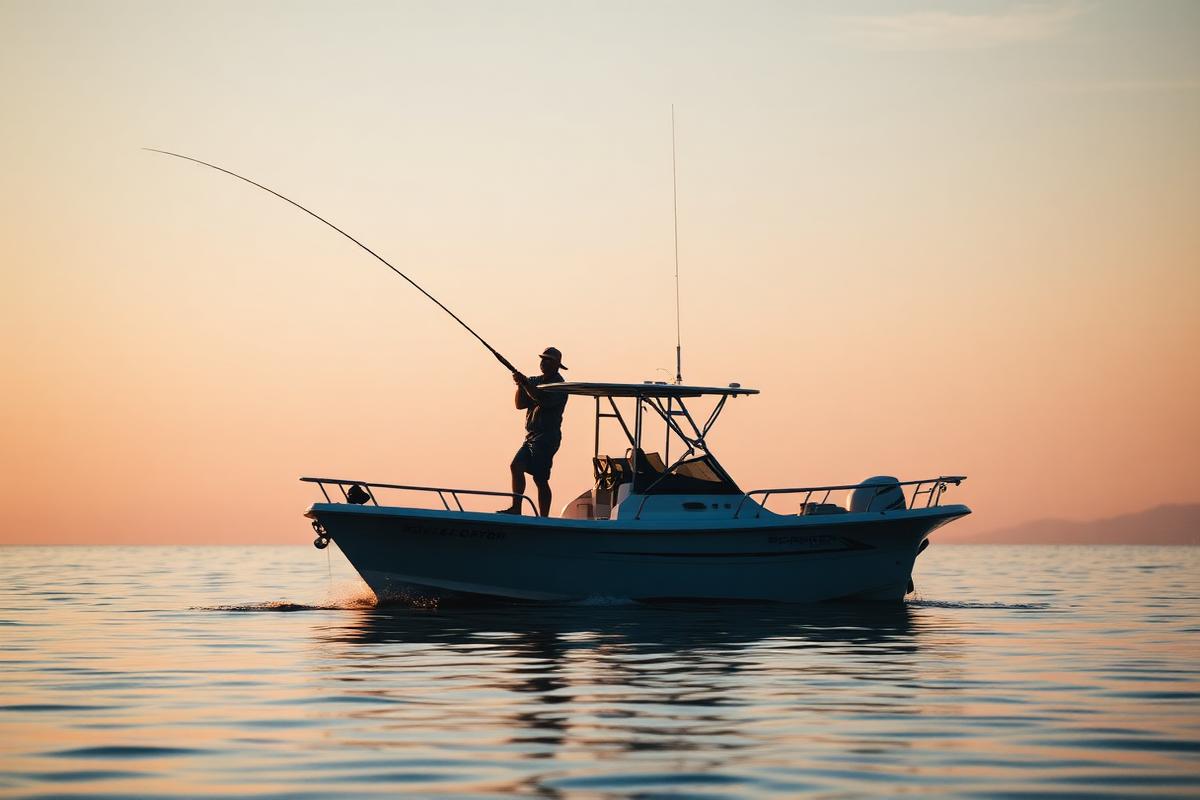
From an engagement with an outdoor operator:
The ads were earning strong click-through on cheap, high-intent local searches — and the dated website converted none of it. We rebuilt the site conversion-first around the booking system the client already trusted, with a dedicated landing page for every charter.
Questions owners in this space ask
Our business is seasonal. Should we advertise year-round?
Advertise when people plan, not just when they show up. Trips get researched weeks or months ahead, so the smartest budgets lean into the planning window and ease off when the calendar is already full.
People click but don't book. What's wrong?
Usually the website, not the ads. If pricing is hard to find, booking takes too many steps, or the mobile experience is rough, great clicks go to waste. Fixing the landing experience often matters more than touching the ads.
Do online reviews affect my ads?
Enormously. Reviews are the trust signal travelers check before booking with someone new — strong ones make every click you pay for work harder.
Here's exactly what happens.
No sales layer, no obligation. You'll talk directly with the strategist.
You submit the form
A few lines about your business and what's not working. No pitch deck required.
We look at your current situation
We review what you're running now before we say anything about what you should run.
We talk, like humans
A real conversation about what we saw, what we'd change, and what we wouldn't touch.
You get a written plan and decide
In writing, so it's yours either way. If we're not the right fit, we'll say so.